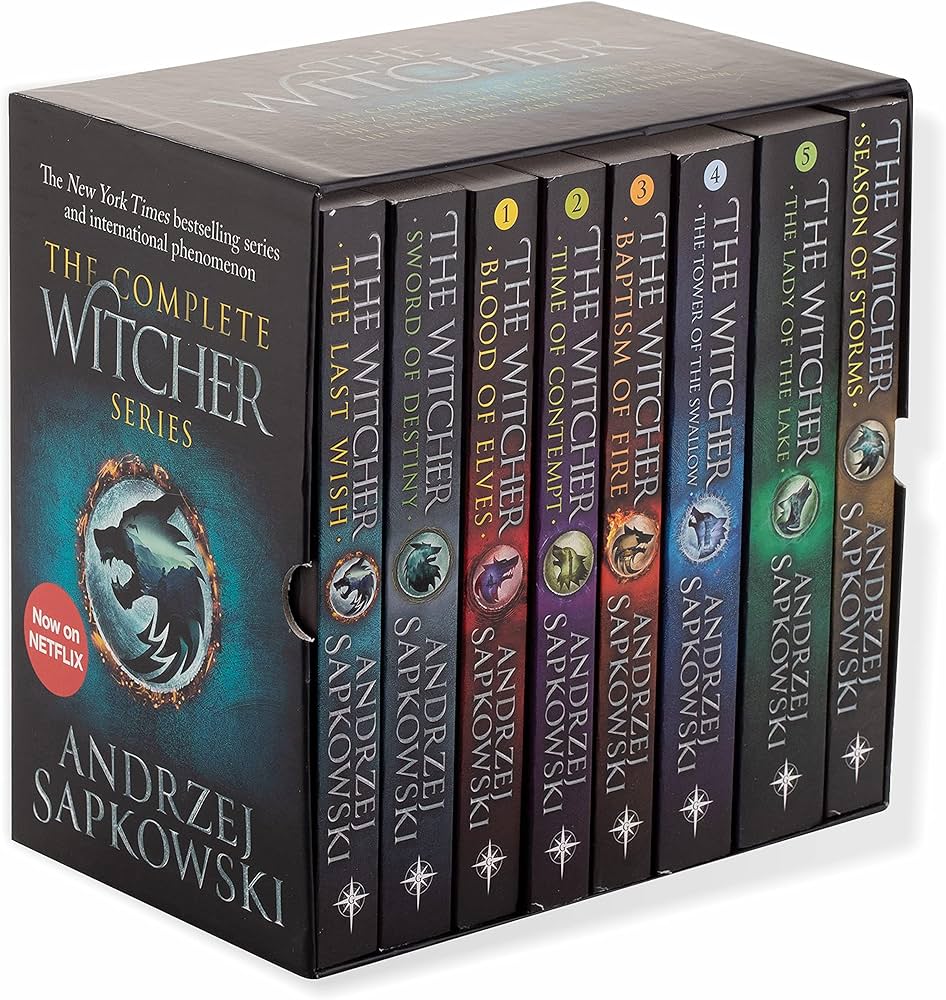

The Witcher Book Series is one of the most influential fantasy franchises of our time. With its dark themes, unforgettable characters, and rich worldbuilding, it has captured the attention of readers, gamers, and Netflix viewers across the globe. If you’re curious about diving into this magical and morally complex universe, this guide breaks everything down in a simple and engaging way.
About the Author – Andrzej Sapkowski
Early Life and Background
The Witcher series comes from the brilliant mind of Polish writer Andrzej Sapkowski. Born in 1948, Sapkowski didn’t intend to become a world-famous author. In fact, he started out working as a traveling salesman and translator. His unexpected rise to fame began when he entered a short story contest, submitting what would become the first-ever Witcher story.
Inspiration Behind The Witcher
Sapkowski’s works blend Slavic mythology, gritty realism, and sharp wit. He didn’t want to create another generic fantasy world. Instead, he wrote about flawed characters facing morally grey choices—something that quickly set The Witcher apart in the fantasy genre.
The Reading Order of The Witcher Books
If you’re new to The Witcher, reading the books in the correct order makes a huge difference. The story spans several short story collections and novels.
The Short Stories (Start Here)
1. The Last Wish
This is where it all begins. Filled with short adventures, it introduces Geralt of Rivia, a monster hunter with a code of his own.
2. Sword of Destiny
This collection lays the emotional foundation for the main saga—especially the relationship between Geralt and Ciri.
The Main Saga
3. Blood of Elves
The first full-length novel, focusing on Ciri’s training and the start of political tensions on the Continent.
4. Time of Contempt
War is brewing, alliances shift, and Ciri begins to embrace her destiny.
5. Baptism of Fire
Geralt forms the iconic Hansa, a group of allies who travel with him on his journey.
6. The Tower of the Swallow
Ciri’s storyline takes a darker, more intense turn in this installment.
7. The Lady of the Lake
A breathtaking conclusion to the saga, filled with destiny, sacrifice, and emotional depth.
Additional Novel
8. Season of Storms
Although published later, this story takes place between the short stories. Many readers treat it as an optional read.
Best Reading Order for Beginners
- The Last Wish
- Sword of Destiny
- Blood of Elves
- Time of Contempt
- Baptism of Fire
- The Tower of the Swallow
- The Lady of the Lake
- Season of Storms (Optional)
Main Characters of The Witcher Series
Geralt of Rivia
The iconic Witcher. Stoic, sarcastic, and surprisingly compassionate for someone trained to feel nothing. His struggle with morality makes him one of fantasy’s most relatable heroes.
Yennefer of Vengerberg
A powerful sorceress with a complicated past. Her relationship with Geralt is passionate, messy, and unforgettable.
Ciri (Cirilla Fiona Elen Riannon)
One of the most important characters in the entire saga. Both student and daughter-figure to Geralt, Ciri holds unimaginable power tied to ancient prophecies.
Supporting Characters
From Jaskier the bard to Triss Merigold and Vesemir, The Witcher universe is filled with memorable characters who bring humor, wisdom, and heartbreak.
The Witcher’s Worldbuilding
The Continent
A vast land filled with humans, elves, dwarves, monsters, and kingdoms constantly at war. Nothing is black-and-white here—every character and nation has their flaws.
Magic System
Magic in The Witcher is dangerous, unpredictable, and costly. Sorcerers must train for years to master it, while Witchers rely on quick spells known as “Signs.”
Monsters and Beasts
From wraiths to griffins, The Witcher features some of the most creative creatures in fantasy. Each monster comes with lore, weaknesses, and symbolism.
Politics and Kingdoms
Political tension is the backbone of the saga. Sapkowski masterfully blends war, betrayal, and alliances, adding depth to the story.
Themes Explored in The Witcher
Morality and Choices
Geralt often says, “Evil is evil.” Yet he constantly faces impossible decisions, reminding us that life is rarely simple.
Destiny and Prophecy
Destiny plays a major role, especially in Ciri’s story. Characters try to fight fate—but fate always circles back.
Racism and Discrimination
Non-human races face oppression, mirroring real-world issues and giving the story a grounded, emotional edge.
War and Human Nature
The books don’t shy away from depicting the brutality of war, often showing humans as more monstrous than beasts.
Differences Between the Books, Games, and TV Series
How the Book Series Differs from the Games
The Witcher games, especially The Witcher 3, expand on the book world rather than retelling it. They offer new storylines but remain faithful in tone.
Netflix Adaptation vs. Book Canon
The Netflix series takes considerable liberties. Some characters and events differ greatly from the books, leading many fans to prefer Sapkowski’s original storytelling.
Which Version Is Best?
- If you love deep character development, read the books.
- If you want action and exploration, play the games.
- If you enjoy visual storytelling, try the show.
- Each version offers something unique.
Why You Should Read The Witcher Book Series
Deep Characters
No one is perfectly good or evil—everyone is human, flawed, and real.
Complex Storytelling
Sapkowski weaves politics, mythology, and destiny into a gripping narrative.
Rich Fantasy World
The blend of Slavic folklore and original ideas creates a fantasy world unlike any other.
Perfect for Fans of Dark Fantasy
If you enjoy complex characters, emotional depth, and moral dilemmas, The Witcher is perfect for you.
Tips for New Readers
Start with Short Stories
They’re fun, easy to follow, and set the tone for the series.
Don’t Expect a Typical Hero’s Journey
Geralt isn’t your usual chosen-one hero; his story is more nuanced.
Pay Attention to Politics and Lore
These details make the world richer and more immersive.
Conclusion
The Witcher book series isn’t just another fantasy saga—it’s a masterpiece filled with unforgettable characters, intricate worldbuilding, and themes that stick with you long after you turn the final page. Whether you’re discovering it for the first time or diving back in, the series offers a rich and emotional journey through a dark and magical world. If you’re ready for fantasy that feels raw, real, and deeply human, The Witcher is absolutely worth reading.