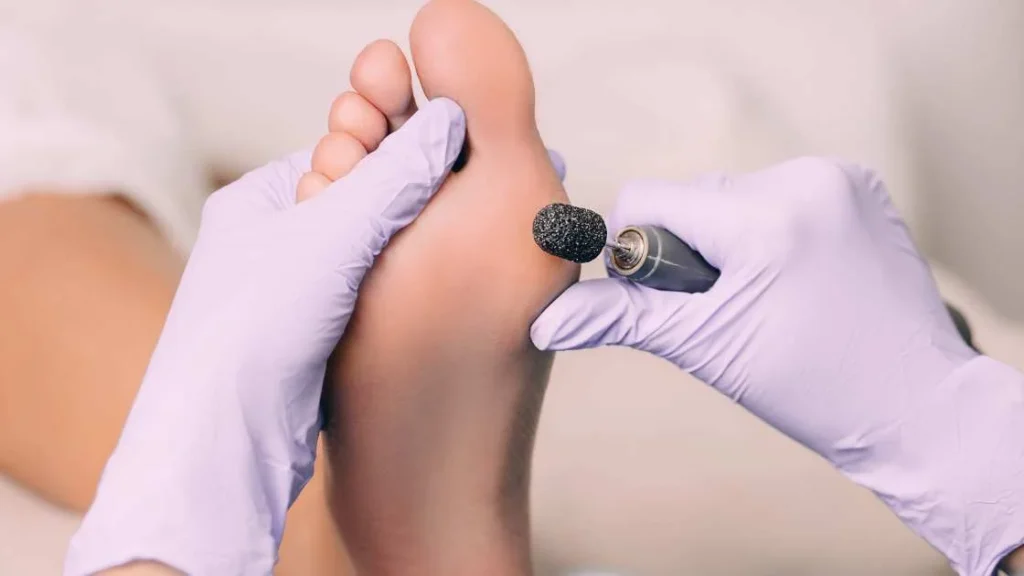

Corn Medicine Foot treatments have become one of the most searched solutions online—mainly because foot corns are painful, stubborn, and tend to come back if not treated properly. But while most articles repeat the same generic advice, many leave out critical gaps: how foot corns behave in hot climates, how footwear habits influence recurrence, what home treatments actually work, and which corn medicines you should use safely.
This guide fills all those gaps with a deep, practical, and locally relevant foot-care approach—so you can finally eliminate corns and prevent them long-term.
⭐ What Exactly Is a Foot Corn? (And Why It Hurts So Much)
A corn is a small, hardened, cone-shaped layer of skin caused by pressure or friction, usually from shoes, sandals, or walking barefoot on hard floors.
Corns can appear on:
-
Toes (especially pinky toe)
-
Tops or sides of the foot
-
Between toes
-
Bottom of the foot (hard corns)
-
Even under calluses
The pain happens because the hard skin presses inward, almost like a pebble inside your foot.
🩺 Why Corns Are More Common in Hot Climates
Most global medical sites overlook this—but in hot and humid regions (South Asia, Gulf countries, tropical climates), foot corns form more easily because:
-
People wear hard or thin sandals and slippers daily
-
Sweat softens skin → friction increases
-
Barefoot walking on tiles, marble, and rough floors creates micro-pressure spots
-
Cheap footwear often lacks heel or arch support
If you live in a warm climate, you need a different prevention strategy than what Western websites recommend.
💊 Best Corn Medicine for Foot Corns (What Really Works)
Here are the most effective and safe treatments, with explanations—not just names:
1. Salicylic Acid Corn Remover (Most Recommended)
This is the “gold standard” treatment.
How it works:
Salicylic acid dissolves thick, dead skin and gradually removes the corn from the root.
Available as:
-
Corn remover pads (40% salicylic acid)
-
Liquid drops
-
Gels
Best for:
✔ Hard corns
✔ Corns between toes
✔ Corns under the foot
Tips for safe use:
-
Protect surrounding skin with petroleum jelly
-
Replace pads every 48–72 hours
-
Never use on broken or bleeding skin
-
Diabetics should avoid without doctor approval
2. Foot Softening Creams & Urea Lotions (Highly Effective for Thick Skin)
Creams with 20–40% urea can:
-
Thin hard skin
-
Reduce dryness
-
Prevent recurrence
-
Make salicylic acid work faster
Perfect for people who walk long hours or wear hard footwear.
3. Corn Caps / Medicinal Plasters (Fastest Visible Relief)
These medicated pads apply targeted pressure + medication, helping corn fall off in 3–7 days.
Choose ones with:
-
40% salicylic acid
-
Soft cushion center
-
Strong adhesive
4. Pumice Stone + Warm Water (Safe & Natural Method)
A warm soak softens the corn.
A pumice stone then gently sands down thick layers.
Great for:
-
Sensitive skin
-
Early-stage corns
-
Daily maintenance
5. Home Remedies That Actually Work
While most home remedies online are ineffective, a few are genuinely helpful:
✔ Castor oil massage
Softens the hard center of the corn.
✔ Apple cider vinegar soak
Helps loosen dead skin (use diluted).
✔ Epsom salt warm soak
Reduces inflammation and pain.
✔ Coconut oil overnight moisturization
Prevents dryness-induced corns.
None of these remove a corn alone—but they support healing.
🥾 The Footwear Fix: Why Most People’s Corns Return
Here’s the biggest gap most medical articles never mention:
👉 The wrong footwear = corns always return, no matter which medicine you use.
Choose footwear that includes:
-
Soft cushioning under the ball of foot
-
Slight heel elevation (not flat slippers)
-
wide toe box (to prevent toe pressure)
-
arch support
Avoid:
❌ Thin plastic slippers
❌ Tight shoes
❌ Hard soles
❌ High heels
❌ Flat flip-flops
If your corn returns frequently, 90% of the time the root cause is footwear.
🦶 Corn vs Callus vs Wart — Know the Difference
People often confuse these. Use this quick guide:
| Condition | Looks Like | Pain? | Cause |
|---|---|---|---|
| Corn | Hard center, circular | Sharp pain when pressed | Pressure/friction |
| Callus | Broad thick area | Dull pain or none | Repeated pressure |
| Wart | Has black dots inside | Hurts when squeezed | Viral infection |
Misdiagnosis is a major reason treatments fail.
🧠 When to See a Doctor (Don’t Delay If You Have These Symptoms)
Seek medical help if:
-
Corn bleeds
-
Pain increases daily
-
Area becomes red or infected
-
You have diabetes or poor circulation
-
The corn hasn’t improved after 2 weeks of treatment
Doctors may:
-
Trim the corn
-
Prescribe stronger acid treatments
-
Provide custom orthotics
-
Treat underlying bone alignment problems
-
Perform minor surgery (rare cases)
🔁 How to Prevent Foot Corns Forever (A 6-Point Long-Term Plan)
Follow these six habits to stop recurrence:
1. Switch to cushioned shoes or soft insole pads
Your feet must be supported during walking.
2. Keep feet dry (sweat = friction)
Use foot powder or breathable socks.
3. Moisturize nightly
Urea or coconut oil prevents friction-causing dryness.
4. Avoid walking barefoot on hard floors
Tiles, marble, and concrete worsen corns.
5. File thick skin weekly
Pumice stone or electric file helps maintain smooth skin.
6. Replace old worn-out shoes
Flattened shoes = hidden pressure points.
🌿 Most Effective At-Home Corn Treatment Routine (Daily Plan)
Morning
-
Apply urea cream
-
Wear cushioned footwear
Evening
-
Warm water + Epsom salt soak
-
Pumice stone (2–3 times weekly)
Night
-
Apply salicylic acid pad OR castor oil
-
Cover with cotton socks
This routine works for 90% of people within 7–10 days.
🏁 Final Thoughts: Treat the Corn & the Cause
Corn Medicine Foot treatments are effective—but only if you also correct what caused the corn in the first place.
By choosing the right medicine, improving your footwear, using safe home routines, and identifying early warning signs, you can get lasting relief and keep your feet healthy forever.