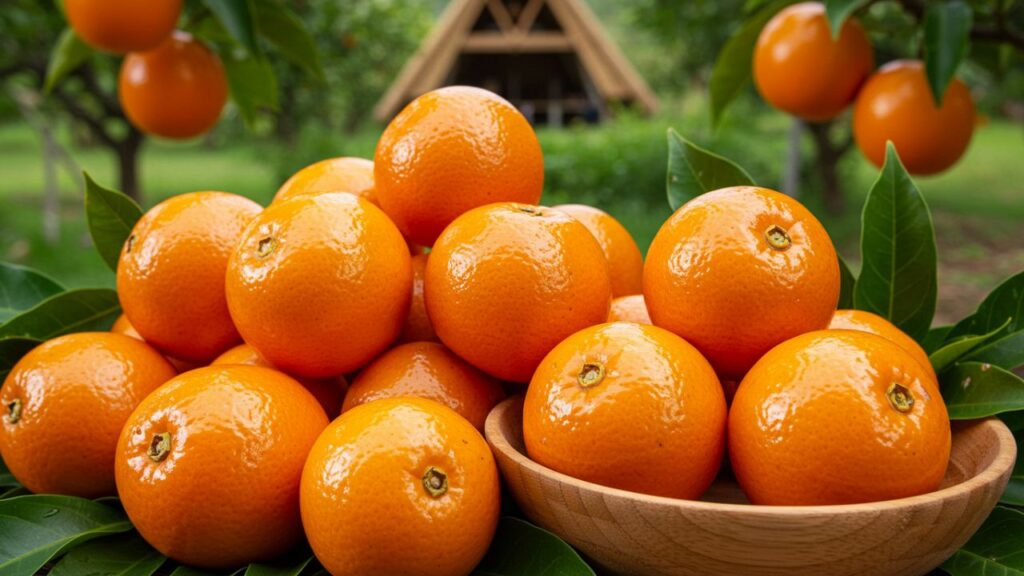

Among the many fruits that carry cultural, medicinal, and nutritional importance, the žižole—more commonly known as the jujube—stands out as one of the most fascinating. With its history stretching back thousands of years, žižole has been cultivated across Asia, the Middle East, and Europe. While it has long been prized in traditional medicine and folklore, it is now enjoying a modern renaissance as researchers uncover its wide-ranging health benefits, and as global cuisines embrace its sweet, tangy flavor.
This article explores the žižole in depth: its origins, botanical features, nutritional profile, medicinal uses, cultural significance, modern applications, and future potential.
Origins and Historical Background
The žižole, or Ziziphus jujuba, is a fruit-bearing tree in the buckthorn family (Rhamnaceae). Its origins are traced back more than 4,000 years to China, where it has been cultivated both for food and for medicinal purposes. Ancient Chinese texts refer to the fruit as “Da Zao” (big date), highlighting its resemblance to dates in appearance and taste.
From China, cultivation spread to Korea, Japan, India, and the Middle East, eventually reaching the Mediterranean region and Europe. In many Slavic languages, including Slovenian and Croatian, the fruit is referred to as žižola or similar variants, reflecting its deep integration into local traditions.
Interestingly, archaeological evidence shows that seeds of the jujube were found in tombs and ancient settlements, suggesting that people valued it not just as food but also for symbolic and ritual purposes.
Botanical Description
The žižole tree is deciduous and can grow between 5 to 10 meters in height. Its key features include:
-
Leaves: Shiny, oval-shaped, and green with serrated edges.
-
Flowers: Small, yellow-green blossoms with a subtle fragrance.
-
Fruit: Oval or round drupes, ranging from 1 to 5 cm in size. The skin turns from green to reddish-brown as it ripens, while the flesh transitions from crisp and apple-like to soft and date-like when dried.
Žižole thrives in warm, dry climates and is remarkably resilient, able to withstand drought and poor soil conditions. This adaptability explains its wide geographical spread.
Nutritional Profile
One of the main reasons for žižole’s growing popularity is its impressive nutritional composition. A typical 100-gram serving of fresh žižole provides:
-
Calories: ~79
-
Carbohydrates: 20 g
-
Protein: 1.2 g
-
Fiber: 6 g
-
Vitamin C: 69 mg (almost equal to oranges)
-
Potassium, Calcium, and Magnesium in significant amounts
-
Antioxidants: Flavonoids, polysaccharides, and phenolic compounds
When dried, žižole becomes denser in calories and natural sugars, making it a valuable source of quick energy while still retaining much of its vitamin and mineral content.
Medicinal Uses in Traditional Medicine
For centuries, žižole has been a cornerstone of Traditional Chinese Medicine (TCM) and Ayurveda. The fruit, seeds, and bark have been prescribed for a wide range of conditions.
-
Stress and Anxiety Relief
-
Žižole seeds are believed to have sedative properties. Herbal teas made from seeds are often used to calm the mind and improve sleep quality.
-
-
Digestive Health
-
Its high fiber content makes it effective for relieving constipation and supporting gut health.
-
-
Immunity Boost
-
Rich in vitamin C and antioxidants, žižole helps strengthen the immune system and protect against infections.
-
-
Anti-inflammatory and Anti-aging
-
The antioxidants and flavonoids in žižole combat oxidative stress, which is linked to aging and chronic diseases.
-
-
Blood Circulation and Heart Health
-
Studies indicate that žižole may help regulate blood pressure, improve circulation, and protect cardiovascular health.
-
-
Skin Health
-
Extracts of žižole are sometimes used in skincare for their moisturizing and rejuvenating properties.
-
Cultural Significance
The žižole holds an honored place in many cultures.
-
China: Associated with prosperity and fertility. Often gifted during weddings and festivals.
-
Korea: Featured in traditional teas like “daechu-cha” and used in desserts.
-
Middle East: Incorporated into jams, syrups, and traditional sweets.
-
Europe (Dalmatia, Balkans, Mediterranean): Known as žižola, it is enjoyed fresh or preserved. Local festivals celebrate the harvest, and the fruit often symbolizes longevity and vitality.
Folklore also credits žižole with protective powers, with some traditions placing branches or dried fruits in homes to ward off evil spirits.
Modern Applications
In recent years, žižole has gone beyond its traditional uses and entered the global market in innovative forms:
-
Health Supplements: Available in capsule, powder, or extract form, often marketed for sleep support, immunity, and energy.
-
Functional Foods: Incorporated into energy bars, teas, and health drinks.
-
Culinary Uses: Used in baked goods, sauces, and even infused into alcohol. Chefs in gourmet kitchens experiment with žižole as a natural sweetener.
-
Cosmetics: Extracts are increasingly found in lotions, shampoos, and anti-aging serums.
Scientific Research and Evidence
Modern science has begun validating many of the traditional claims about žižole. Research has highlighted:
-
Neuroprotective Effects: Compounds in žižole may improve memory and reduce cognitive decline.
-
Anti-cancer Potential: Certain extracts show promise in inhibiting the growth of cancer cells.
-
Anti-obesity and Metabolic Benefits: Studies indicate that regular consumption may help regulate blood sugar and support weight management.
-
Antimicrobial Activity: Žižole extracts demonstrate resistance against certain bacteria and fungi.
Although more large-scale human trials are needed, the results so far are promising.
Culinary Enjoyment
Eating žižole is a pleasure in itself. It can be enjoyed in several ways:
-
Fresh: Crisp and sweet, similar to apples.
-
Dried: Chewy and date-like, perfect as a snack.
-
Teas and Decoctions: Popular in Asian traditions for relaxation.
-
Jams and Syrups: Common in Mediterranean regions.
-
Baked Goods and Desserts: Adds natural sweetness and a unique flavor.
-
Infused Beverages: Used in wines, liqueurs, and health tonics.
Growing Žižole
For gardeners, žižole is a rewarding tree to cultivate. It is hardy, low-maintenance, and drought-tolerant. Key growing conditions include:
-
Climate: Prefers warm and sunny environments.
-
Soil: Well-drained, sandy or loamy soils.
-
Water: Moderate watering; drought-resistant once established.
-
Harvest: Fruits typically ripen in late summer or early autumn.
Its ornamental value also makes it a beautiful addition to landscapes.
Economic Importance
The global demand for žižole is rising, creating new opportunities for farmers and producers. China remains the largest cultivator, producing millions of tons annually, but other countries like India, Iran, Pakistan, and Mediterranean nations are expanding their cultivation.
Exports are growing in response to the health food trend, with žižole being marketed as a “superfruit” alongside goji berries, pomegranates, and acai.
Challenges and Sustainability
Despite its advantages, žižole faces certain challenges:
-
Limited Awareness: Many consumers outside Asia and the Mediterranean are unfamiliar with it.
-
Post-Harvest Preservation: Fresh fruits spoil quickly, requiring effective drying or processing methods.
-
Climate Change: While resilient, prolonged droughts and changing weather patterns could affect yields.
However, its adaptability and growing global recognition position it well for future sustainability.
Future Prospects
Looking ahead, žižole has enormous potential. Increased investment in research could uncover new medicinal benefits. Expanded cultivation may help meet global demand for sustainable, nutrient-rich foods. And as chefs and consumers continue to explore novel flavors, žižole could become a culinary staple worldwide.
Conclusion
The žižole is more than just a fruit. It is a symbol of resilience, tradition, and health, bridging the gap between ancient wisdom and modern science. From its role in traditional medicine to its emerging status as a global superfruit, žižole has proven itself a treasure worth rediscovering.