
What Is a Health Maintenance Organization (HMO)?
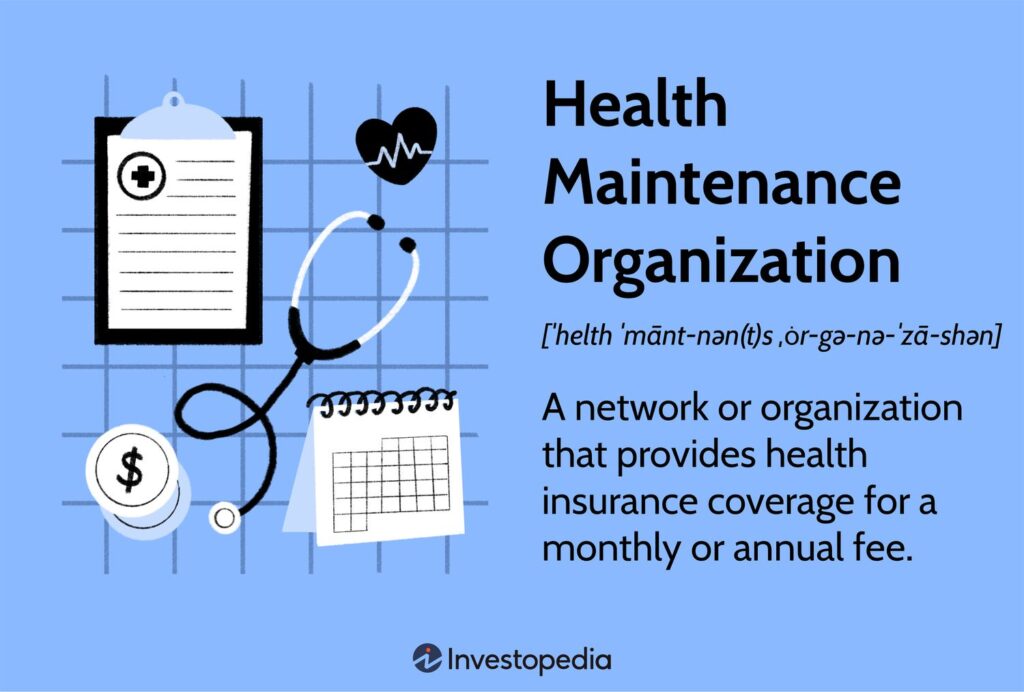
A Health Maintenance Organization (HMO) is a type of health insurance plan that provides medical services through a network of doctors, hospitals, and clinics. In most cases, you must choose a primary care physician (PCP) who coordinates all your care.
How HMOs Work
Think of an HMO as a “closed circle” of healthcare providers. Members must use doctors within this network to get coverage, except in emergencies. This setup helps the organization control costs and offer lower premiums.
Key Features of HMOs
- A required primary care physician
- Referrals needed to see specialists
- Lower premiums and out-of-pocket costs
- Strict provider network limitations
History and Evolution of HMOs
HMOs aren’t new. They began gaining popularity in the 1970s when the U.S. government passed the Health Maintenance Organization Act of 1973, encouraging employers to offer these plans. Since then, HMOs have evolved into one of the most common forms of managed care.
Types of HMO Plans
Not all HMOs look the same. There are several models, each with its own structure.
Staff Model HMO
Doctors are employed directly by the HMO, offering tightly coordinated care.
Group Model HMO
The HMO contracts with a single medical group to provide services.
Network Model HMO
Works with multiple physician groups, offering more provider options.
Independent Practice Association (IPA)
Physicians remain independent but join the network by contract.
Benefits of Choosing an HMO
Why do millions choose HMOs every year? Here are some top benefits.
Cost Savings
HMOs often feature lower monthly premiums and fixed copays, making them budget-friendly.
Coordinated Care
Your PCP becomes your healthcare “home base,” ensuring treatments and services align.
Predictable Coverage
Since care happens within an approved network, costs are more predictable.
Potential Drawbacks of an HMO
Of course, HMOs aren’t perfect.
Limited Provider Network
You must stick to in-network doctors or risk paying the full bill.
Referral Requirements
Want to see a specialist? You’ll need a referral from your PCP.
Less Flexibility
HMOs are ideal for stability—not for those who want freedom in provider choice.
HMO vs PPO: What’s the Difference?
Confused between HMO and PPO? Here’s a quick comparison.
Cost Comparison
HMOs are more affordable, while PPOs typically cost more for added flexibility.
Flexibility & Network Access
PPOs allow out-of-network care—HMOs do not.
Which Plan Fits Your Needs?
Choose an HMO if you’re cost-focused. Pick a PPO if flexibility is your priority.
Who Should Choose an HMO Plan?
An HMO is ideal for:
- Individuals who rarely travel
- People wanting lower premiums
- Those who prefer having a single doctor manage their care
If coordinated care and affordability matter, an HMO may be perfect.
How to Choose the Best HMO Plan
Check Provider Network
Ensure your preferred doctors participate in the network.
Review Costs and Coverage
Compare deductibles, copays, and included benefits.
Evaluate Customer Reviews
Real-life experiences can reveal service quality and reliability.
The Role of Primary Care Physicians in HMOs
Your PCP manages your entire healthcare journey.
Gatekeeping System Explained
The PCP acts as a “gatekeeper,” guiding you to specialists when needed. This prevents unnecessary procedures and reduces costs.
How HMOs Keep Costs Low
Preventive Care Focus
Routine checkups, vaccinations, and screenings prevent bigger health issues.
Negotiated Provider Rates
HMOs partner with providers for lower service rates, which benefits members financially.
Common Myths About HMOs
- “HMOs offer poor care.” — Not true. They focus on prevention and coordination.
- “Referrals slow everything down.” — Referrals ensure appropriate care.
- “You can never see specialists.” — You can, with a referral.
Real-Life Examples of HMO Use
Let’s say you wake up with knee pain. With an HMO:
- You call your PCP.
- They examine you.
- If needed, they refer you to an orthopedic specialist.
It’s structured, simple, and usually cost-effective.
Future of HMOs in the Healthcare System
With rising medical costs, HMOs continue to grow. Their emphasis on preventive care and cost control makes them vital in today’s healthcare environment. Expect improvements in technology, telehealth integration, and provider coordination.
Conclusion
A Health Maintenance Organization (HMO) can be a smart choice if you’re seeking affordable, well-coordinated healthcare. While it may not offer the same provider flexibility as a PPO, its cost savings, preventive focus, and structured care make it a dependable option for millions. Whether you’re choosing a plan for the first time or reconsidering your current coverage, understanding how HMOs work is your first step toward making a confident decision.