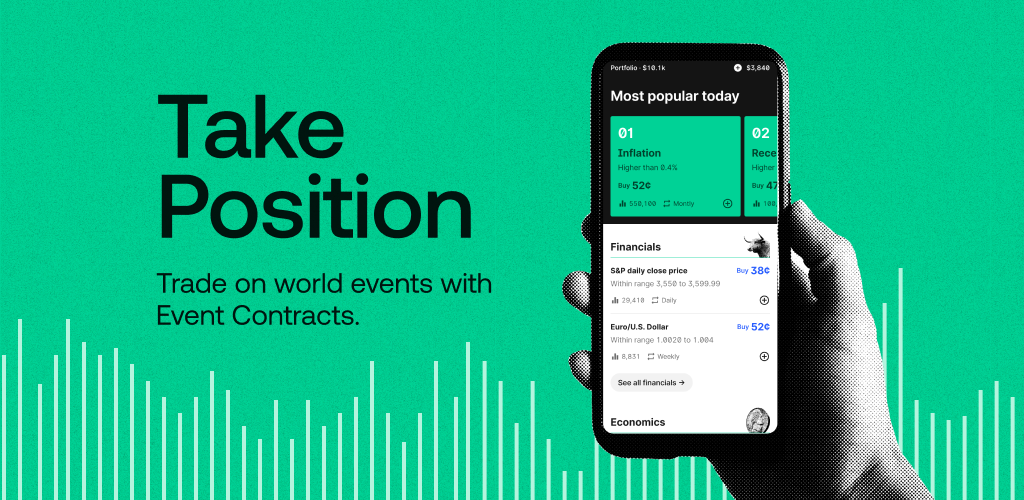

When it comes to investing and predicting future events, the internet has opened countless new doors. One platform that has recently caught the attention of investors, traders, and curious minds alike is Kalshi. If you’ve heard about Kalshi, you might be wondering: Is Kalshi legit? Can you really make money on it? And how safe is it compared to traditional investment platforms?
In this in-depth article, we’ll break down everything you need to know about Kalshi — from what it is and how it works to its legitimacy, regulations, pros and cons, and user experiences. By the end, you’ll have a clear answer about whether Kalshi is a trustworthy platform or just another online gamble.
What Is Kalshi?
Kalshi is an event trading platform that allows users to buy and sell “contracts” based on the outcome of future events. These events can range from political elections and economic indicators to sports, climate, and even pop culture.
Essentially, Kalshi lets you trade on what you think will happen in the real world. Each contract has two outcomes — “Yes” or “No.” For example:
-
“Will inflation exceed 3% this year?”
-
“Will the S&P 500 close above 5,000 by December?”
-
“Will Taylor Swift win another Grammy?”
If you think the event will happen, you buy a “Yes” contract; if not, you buy “No.” When the event resolves, you get paid $1 for each correct contract. If you’re wrong, your contract becomes worthless.
While this might sound like gambling, Kalshi positions itself as a legitimate financial exchange — not a betting site. The difference lies in regulation and structure, which we’ll explore next.
Is Kalshi Legit? Understanding Its Regulation
The short answer is: Yes, Kalshi is a legitimate and regulated platform.
Kalshi is registered with and regulated by the Commodity Futures Trading Commission (CFTC) — the same U.S. government agency that oversees futures and commodities exchanges like the Chicago Mercantile Exchange (CME). This means Kalshi is legally recognized as a Designated Contract Market (DCM) — the same classification used by major financial institutions.
This CFTC approval is a big deal. Most online prediction markets (like PredictIt or Polymarket) operate in a gray area or under temporary exemptions. Kalshi, however, is the first fully regulated event-trading exchange in the U.S.
What this means for users:
-
Your funds are held in secure, segregated accounts.
-
The platform must comply with strict anti-fraud, transparency, and security regulations.
-
Market outcomes are verified objectively using trusted data sources.
-
It operates under real U.S. law — not offshore or unregulated jurisdictions.
So, from a legal and regulatory standpoint, Kalshi is absolutely legitimate.
How Kalshi Works
To use Kalshi, you simply sign up on their website, verify your identity (as required by U.S. law), and deposit funds into your account. Then, you can browse through available markets — which are organized by categories like:
-
Economics: Inflation rates, unemployment data, GDP growth
-
Politics: Elections, policy outcomes, government actions
-
Climate: Temperature records, hurricane counts
-
Culture & Miscellaneous: Awards, tech releases, and more
Each market has a price between $0.01 and $0.99 per contract. The price reflects the market’s collective probability of an event occurring. For example:
-
If a “Yes” contract costs $0.70, the market believes there’s a 70% chance the event will happen.
-
If you buy one “Yes” contract for $0.70 and the event occurs, you earn $1 — making a $0.30 profit.
-
If it doesn’t happen, you lose your $0.70 investment.
You can buy multiple contracts, sell before resolution, or even trade based on price fluctuations — much like trading stocks or options.
Kalshi’s Unique Edge: Event-Based Investing
Kalshi stands out because it allows people to invest in what they know — not just stocks or cryptocurrencies. For instance, if you closely follow politics, you might have insights into election outcomes or policy changes that others don’t.
Unlike traditional investments, where you bet indirectly on outcomes (for example, buying oil stocks if you expect higher oil prices), Kalshi lets you bet directly on the outcome itself.
This makes it appealing for:
-
Data analysts and economists looking to hedge predictions.
-
Retail traders who want to diversify outside traditional markets.
-
Everyday individuals interested in monetizing knowledge of real-world events.
Is Kalshi Safe to Use?
Safety is a major concern for any online financial platform. Fortunately, Kalshi takes user security seriously.
Here are some key safety aspects:
-
Regulated by the CFTC:
As mentioned, this ensures compliance with strict federal laws regarding fraud, transparency, and fair trading. -
Data Security:
Kalshi uses advanced encryption protocols (SSL and TLS) to protect users’ personal and financial data. -
Funds Protection:
Client funds are held in segregated accounts, separate from the company’s operational funds. This ensures that even if Kalshi experiences financial trouble, user funds remain protected. -
Identity Verification:
To comply with anti-money laundering (AML) and Know Your Customer (KYC) laws, Kalshi requires ID verification, which helps prevent scams and fraud.
Overall, Kalshi appears to be as safe as any other regulated financial trading platform.
Kalshi vs. Other Prediction Platforms
There are other platforms in the event prediction space, but Kalshi’s regulatory status makes it unique. Let’s compare it briefly with a few competitors:
| Platform | Regulation | Country | Type | Key Difference |
|---|---|---|---|---|
| Kalshi | CFTC-regulated | U.S. | Event trading | Fully legal and regulated |
| PredictIt | Temporary exemption | U.S. | Political prediction | Restricted in scale |
| Polymarket | Unregulated (crypto-based) | Offshore | Blockchain-based | Uses cryptocurrency, not USD |
| Manifold Markets | Unregulated | Global | Play-money & reputation-based | More social, not real money |
In short, Kalshi is the most legitimate and secure platform for real-money event trading within the U.S.
Can You Make Money on Kalshi?
Yes, but it requires strategy and understanding of market dynamics. Like stock trading, profits depend on your ability to predict outcomes better than others.
There are generally three ways to make money on Kalshi:
-
Event Resolution:
If you buy contracts and the event occurs, you earn $1 per contract minus the cost of purchase. -
Market Fluctuations:
Prices move as events develop. You can sell contracts before resolution to lock in profits. -
Diversified Trading:
Experienced traders can build portfolios across multiple markets to hedge risk and maximize gains.
However, it’s worth noting that losses are also possible. Like any market, Kalshi involves risk — and it’s not a guaranteed money-maker. Smart traders rely on data, research, and risk management rather than guesswork.
Pros and Cons of Kalshi
Pros:
✅ Legally regulated by the CFTC — 100% legitimate.
✅ Innovative concept — trade directly on real-world events.
✅ User-friendly platform with clear rules and outcomes.
✅ Low entry barrier — you can start with as little as a few dollars.
✅ Secure payments and fund protection.
✅ Diverse markets — from politics to economics to pop culture.
Cons:
❌ Limited availability — currently only open to U.S. residents.
❌ Learning curve — understanding event trading takes time.
❌ Limited liquidity in some markets.
❌ Potential for loss — it’s still speculative investing.
❌ Regulatory uncertainty — some event types (like elections) face restrictions.
What Users Say About Kalshi
User experiences on Kalshi are generally positive, especially from those who appreciate its transparency and legitimacy. Here’s a summary of feedback found across online forums, Reddit, and Trustpilot:
-
Positive Reviews:
Many users praise Kalshi’s clean interface, real regulation, and fun approach to investing. They enjoy trading on real-world events without worrying about scams. -
Constructive Criticism:
Some traders mention limited market variety or liquidity in niche topics. Others note that profits are modest unless you invest strategically. -
Security & Payouts:
Most users report fast withdrawals and secure payments, reinforcing Kalshi’s reliability.
In short, Kalshi enjoys a strong reputation among users, especially compared to unregulated prediction markets.
The Future of Kalshi
Kalshi is still relatively new, but it’s growing fast. As event trading gains popularity, the company plans to expand its market range and user base.
Recently, Kalshi has also sparked discussions in the financial community about the future of prediction markets — potentially reshaping how investors approach information and forecasting.
If regulators continue to embrace this model, Kalshi could become a mainstream investment tool alongside stocks, crypto, and commodities.
Tips for Beginners on Kalshi
If you’re considering trying Kalshi, here are a few smart tips to start safely:
-
Start Small:
Begin with low-cost contracts to understand how markets move. -
Focus on Topics You Know:
Trade in areas where you have insight — like politics, economics, or specific industries. -
Follow Data, Not Emotion:
Use research and official reports to guide decisions. -
Diversify:
Don’t put all your funds into one event. Spread across multiple markets. -
Understand Fees:
Kalshi charges small trading fees; review them before investing heavily.
By starting carefully and strategically, you can minimize risk while learning how event trading works.
Final Verdict: Is Kalshi Legit?
After reviewing all aspects — regulation, security, functionality, user experience, and transparency — it’s safe to conclude that Kalshi is 100% legitimate.
It’s CFTC-regulated, financially transparent, and provides a secure and innovative way to trade on real-world events. While it carries the same risks as any trading platform, it’s far from a scam or gambling site.
Kalshi represents a new frontier in investing, blending prediction markets with legitimate financial systems. For those looking to diversify their investment strategies or profit from knowledge of world events, Kalshi is worth exploring.