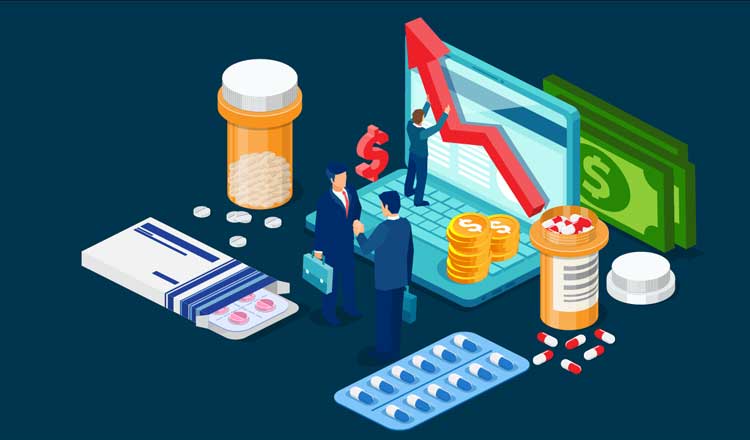

Introduction: Why “Top” Pharma Matters
When you hear “Top Pharmaceutical Companies,” your mind might immediately go to massive global brands like Pfizer or Roche. But what really makes a pharmaceutical company “top”? Is it just about sales and market capital? Or does innovation, pipeline strength, sustainability, and future-readiness matter just as much?
In this article, I’m going to take a more nuanced look at the top pharmaceutical players in 2025, turn the lens on emerging gaps, and help you see who really leads in value, not just in dollars.
What Makes a Pharmaceutical Company Truly “Top”?
Revenue vs. Innovation
Yes, revenue is a big deal—it shows commercial strength. But without innovation, even the biggest pharma player risks stalling. The top companies not only earn a lot today but invest heavily in R&D to stay relevant tomorrow.
Pipeline Strength
A healthy drug pipeline is the engine of long-term growth. A company with a diverse pipeline (across oncology, immunology, rare disease, etc.) is more resilient than one relying on a few bestsellers.
Global Reach & Market Presence
Top pharma isn’t just about selling in the U.S. or Europe. Real global leaders have reach in emerging markets, adapt to local regulations, and scale production globally.
ESG, Sustainability & Corporate Governance
Today’s top companies can’t ignore environmental impact, access to medicines, and ethical clinical practices. ESG is increasingly central to long-term value and public trust.
Shortcoming of Standard “Top 50 by Revenue” Lists
Overemphasis on Size
Revenue-only lists tend to reward scale. But big doesn’t always mean best. A giant pharma company may have bloated costs or weak innovation agility.
Neglect of Emerging Biotech Players
Many game-changing biotech firms are smaller but highly innovative. They often get left out from pure revenue-based lists, but they’re driving tomorrow’s breakthroughs.
Limited View on R&D Efficiency
It’s not just how much you spend on R&D—it’s how efficiently you do it. Some companies turn every R&D dollar into viable drug candidates; others don’t.
Little Attention to Risk (Patent Cliffs, Regulation)
Revenue rankings rarely factor in looming risks: patent expiration, regulatory setbacks, supply chain fragility. These can dramatically alter a company’s trajectory.
Top Pharmaceutical Companies by Revenue in 2025
While we don’t want purely revenue-based rankings, it’s still useful to acknowledge who the biggest players are. As of 2025, some of the top pharma companies by revenue and global reach include:
- Pfizer – A powerhouse with blockbuster drugs, vaccines, and a strong global presence.
- Roche – Known for oncology, diagnostics, and a high-value pipeline.
- Johnson & Johnson – Diverse portfolio: pharma, medical devices, consumer health.
- Novartis – Leader in specialty medicines and gene therapies.
- Merck & Co. (MSD) – Strong in oncology and vaccines.
- Sanofi – Strength in specialty care, diabetes, and vaccines.
- GlaxoSmithKline (GSK) – Vaccines, respiratory, and consumer health.
- AbbVie – Known for immunology (e.g., Humira) and a growing pipeline.
- Bayer – Pharmaceuticals + life sciences + consumer health.
- AstraZeneca – Oncology, respiratory, and cardiovascular diseases.
These are familiar names, and their scale is undeniable — but scale alone doesn’t tell the full story.
Top Innovators & R&D Powerhouses
Let’s shift from simply how much money these companies make, to how forward-looking they are.
- Biogen – A biotech stalwart, particularly in neuroscience.
- Gilead Sciences – Significant R&D in antivirals and cell therapy.
- Regeneron – Known for targeted biologics and strong experimental pipeline.
- Amgen – Big in biologics, particularly in oncology and inflammation.
- Vertex Pharmaceuticals – Leader in cystic fibrosis and gene therapy innovation.
These players may not rival the top 10 by revenue, but in terms of innovation, they punch way above their weight.
Emerging Leaders: Biotech & Specialty Pharma
While the traditional giants dominate by size, a number of emerging or niche companies deserve attention:
- Moderna – Beyond COVID-19 vaccines, their mRNA platform holds promise for cancer, rare diseases, and more.
- CRISPR Therapeutics / Editas – Gene editing is becoming real medicine, and these companies are at the frontier.
- Sarepta Therapeutics – Focused on rare genetic diseases, such as muscular dystrophy.
- Alnylam Pharmaceuticals – Leading RNA-interference therapeutics, particularly in rare diseases.
These firms represent the future: smaller, more nimble, and innovation-first.
Regional Powerhouses Beyond the U.S. & Europe
Innovation and market leadership aren’t just in the West.
- Asia (e.g., Takeda, Jiangsu Hengrui, Sun Pharma) — These companies are expanding R&D and tapping into massive regional demand.
- Latin America (e.g., Grupo Biotoscana, EMS) — Growing domestic markets plus cross-border ambitions.
- Middle East / Africa — Still emerging, but local pharma firms and partnerships are gaining traction.
Recognizing these players gives a more global and inclusive picture of pharma.
How ESG and Sustainability Are Re-shaping Pharma Leadership
ESG (Environmental, Social, Governance) isn’t just a buzzword — it’s a real differentiator in pharma.
- Green Manufacturing: Reducing carbon footprint in production, optimizing energy use, and minimizing waste.
- Access to Medicines: Philanthropic pricing, tiered payment models, and partnerships with governments / NGOs.
- Ethical Clinical Trials: Ensuring patient safety, diversity, consent, and transparency.
- Corporate Governance: Transparency, compliance, anti-bribery measures.
Companies that excel on ESG metrics are building long-term trust and resilience — things a pure revenue list may overlook.
Risk Factors That May Affect
Let’s dig into some of the less obvious risks that can shake up even the biggest pharma names:
- Patent Expiry (“Patent Cliff”): When a blockbuster drug loses patent protection, generics can wipe out huge chunks of revenue.
- Regulatory Hurdles: Clinical trial failures, FDA / EMA rejections, or safety recalls can derail growth.
- Supply Chain Vulnerabilities: Delays in raw materials, geopolitics, or manufacturing issues can interrupt production.
- Public Trust & Pricing Pressure: Protests, pricing scandals, or backlash over drug costs can hurt reputation and sales.
These are real, existential risks — and any truly top-tier company should be judged on how they manage them.
M&A Dynamics: Who’s Buying Whom, and Why It Matters
Big pharma is always acquiring — but what are they buying, and what does it tell us?
- Big Pharma → Biotech: Larger companies are snapping up smaller biotech firms to bolster their pipelines.
- Cross-border Deals: Firms in Asia or Europe acquiring or partnering to expand reach.
- Strategic Acquisitions: Focused on technologies like gene therapy, AI-driven drug discovery, or rare disease platforms.
These M&A moves don’t just rearrange companies; they reshape the future of medicine.
Future Outlook: What Could Change in the Next 5–10 Years
What’s next for the top pharmaceutical companies? Here’s where things could get really interesting:
- AI & Digital Health: From drug discovery to personalized medicine, AI could accelerate drug development like never before.
- Personalized Medicine: Custom therapies tailored to individuals’ genetic profiles will become more mainstream.
- Global Health Crises: New pandemics or health emergencies could prioritize vaccines and rapid-response R&D.
- Sustainability Push: Pressure from governments and investors may push pharma to adopt greener, more ethical practices.
These trends could redefine what “top company” means.
How to Evaluate a Pharmaceutical Company Beyond Just Revenue
So, if you’re an investor, analyst, or simply curious — how should you evaluate pharma companies?
- Pipeline Metrics: Number of clinical-stage candidates, therapeutic areas, innovation types.
- R&D Efficiency: Ratio of R&D spend to successful new drug approvals.
- ESG Scores: Environmental impact, social access, governance rigor.
- Financial Resilience: Cash reserves, debt levels, diversification of revenue.
- Risk Management: Patent expiries, regulatory history, supply chain robustness.
Putting these metrics together gives a fuller, smarter picture.
Why This Perspective Stands Out
Unlike traditional “top 50 by revenue” lists, this perspective:
- Balances Size & Innovation – It doesn’t just chase the biggest names, but also the most forward-thinking.
- Highlights Emerging & Biotech Players – It gives voice to smaller, high-impact companies.
- Addresses Long-Term Risks – It factors in patent cliffs, regulation, ESG, and M&A.
- Globalizes the View – It includes regional leaders from Asia, Latin America, and beyond.
- Offers a Future-Focused Lens – It’s not just about who’s big today, but who’s ready for tomorrow.
Conclusion
When you ask, “Who are the top pharmaceutical companies?” the answer isn’t just a list of the richest names. The real leaders are those who combine scale with innovation, manage risk intelligently, invest in ESG, and prepare for the future. By looking beyond revenue to pipeline strength, sustainability, M&A strategy, and global reach, we get a richer, more durable picture of pharma excellence.
Whether you’re an investor, a healthcare professional, or just intellectually curious, this broader perspective helps you spot where real value—and real impact—is being created.