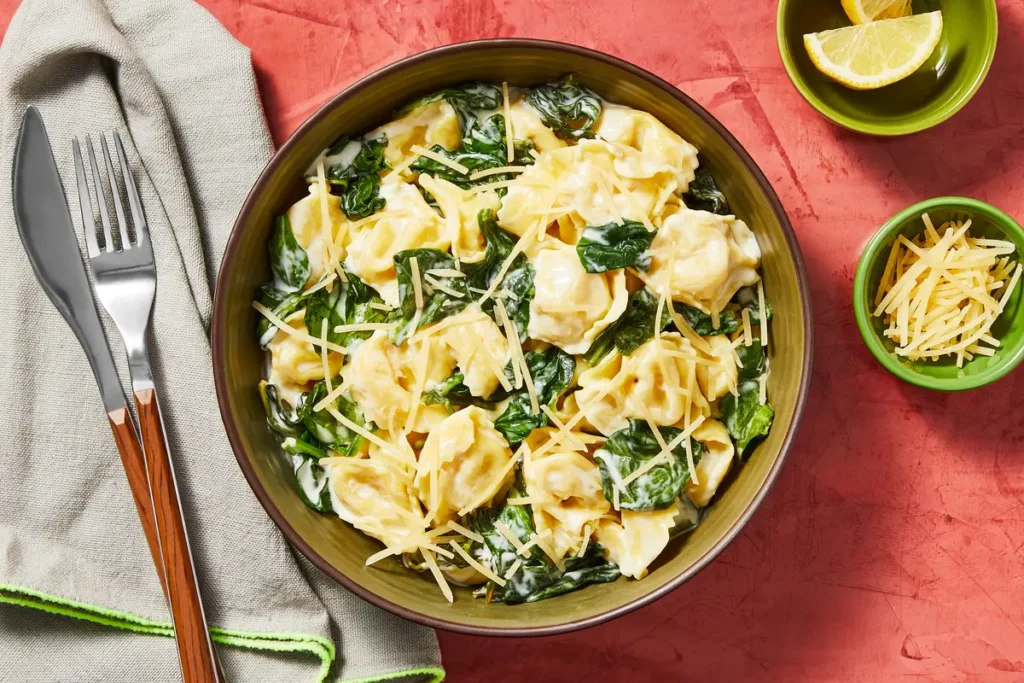

Italian cuisine is synonymous with tradition, flavor, and a deep respect for ingredients, and few dishes exemplify this better than pasta. While spaghetti and lasagna are household names around the world, Italy offers an array of pasta varieties that remain treasures to be discovered. Among these, tortelloni stands out not only for its size and flavor but also for its rich history and cultural significance. In this article, we will explore the origins, preparation, variations, and culinary uses of tortelloni, revealing why it deserves a spot on every pasta lover’s menu.
Origins of Tortelloni
Tortelloni is a type of stuffed pasta that originates from Emilia-Romagna, a region in northern Italy known for its rich culinary heritage. It is closely related to tortellini, another popular stuffed pasta, but differs primarily in size and filling. While tortellini are small and often filled with a mix of meat, tortelloni are larger and traditionally feature vegetarian fillings, although modern variations include meat and seafood.
The history of tortelloni, like many Italian pasta dishes, is wrapped in folklore. One popular legend claims that the shape of tortelloni was inspired by the navel of Venus, the Roman goddess of love, symbolizing beauty and perfection. Another story suggests that tortelloni was created as a hearty meal for the peasants of Emilia-Romagna, designed to provide sustenance and flavor during festive occasions.
Regardless of the exact origin, tortelloni has become a staple of Italian festive cuisine, often appearing on tables during Christmas, Easter, and other family gatherings. Its popularity stems not only from its taste but also from the care and artistry involved in its preparation, making it a dish that celebrates both skill and tradition.
Anatomy of Tortelloni
Understanding tortelloni starts with recognizing its unique structure. It consists of:
-
Pasta Dough: Made from flour and eggs, the dough is rolled thin to allow for delicate yet sturdy pockets that can hold generous fillings without breaking during cooking. Some recipes incorporate water or olive oil, but the classic Italian method relies on eggs and flour for elasticity.
-
Filling: Traditionally, tortelloni fillings are vegetarian. The most common include:
-
Ricotta and Spinach: A creamy, slightly tangy ricotta mixed with tender spinach is a classic combination.
-
Pumpkin and Amaretti: Sweet pumpkin puree mixed with crumbled amaretti biscuits creates a unique sweet-savory flavor, popular in northern Italy.
-
Mushrooms: Seasonal mushrooms, sometimes combined with ricotta or Parmesan, provide earthy and savory depth.
Meat fillings, such as minced pork or prosciutto, are less common but increasingly popular in modern variations.
-
-
Shape: Tortelloni are larger than tortellini, usually measuring around 4–5 cm in diameter. They are folded into a half-moon shape and the edges are carefully sealed to encase the filling. The skillful folding ensures that the pasta cooks evenly and the filling remains intact.
Making Tortelloni: A Step-by-Step Guide
Making tortelloni at home may seem daunting, but the process is rewarding. Here’s a step-by-step overview:
-
Prepare the Dough: Mix all-purpose flour and eggs, kneading until smooth and elastic. Allow it to rest for about 30 minutes to relax the gluten, which makes rolling easier.
-
Prepare the Filling: Depending on the recipe, cook and season vegetables, mix with cheese, or combine other ingredients. The filling should be well-drained to avoid soggy pasta.
-
Roll the Dough: Using a rolling pin or pasta machine, roll the dough thinly. The thickness should be about 1–2 mm, thin enough to be tender but thick enough to hold the filling.
-
Cut and Fill: Cut the dough into squares (typically 5×5 cm). Place a small amount of filling in the center, fold into a triangle, press edges, and then fold the corners around to form the characteristic tortelloni shape.
-
Cook: Boil in salted water for 3–5 minutes, until the pasta floats. Drain gently to avoid tearing.
-
Serve: Traditionally, tortelloni are served with melted butter and sage, a simple sauce that complements the flavors without overpowering them. Creamy sauces, tomato-based sauces, or light broths are also popular alternatives.
Regional Variations
Italy is famous for its regional diversity, and tortelloni is no exception. Each area adds its own twist:
-
Emilia-Romagna: The heartland of tortelloni, with classic ricotta and spinach or pumpkin fillings. The pasta is often served with butter and sage or a light cream sauce.
-
Tuscany: Offers meat-stuffed tortelloni, sometimes paired with a rich tomato or mushroom sauce. The fillings are often more rustic, reflecting the region’s peasant culinary heritage.
-
Lombardy and Piedmont: Sweet fillings such as chestnut or pumpkin combined with local nuts or biscuits are popular, often served as festive dishes during holidays.
The diversity in fillings and sauces highlights the adaptability of tortelloni and the creativity of Italian cooks, making it a versatile pasta suitable for both everyday meals and special occasions.
Tortelloni in Modern Cuisine
While tortelloni remains a traditional dish in Italy, its popularity has spread globally. Italian restaurants worldwide offer it with inventive fillings and sauces, blending tradition with contemporary tastes. Chefs experiment with:
-
Seafood: Lobster or crab-filled tortelloni with light cream sauces.
-
Vegetarian innovations: Roasted vegetables, goat cheese, or truffle-infused fillings.
-
Fusion flavors: Combining classic Italian pasta with Asian, Latin American, or Middle Eastern spices and ingredients.
Despite modern innovations, the essence of tortelloni remains—the celebration of quality ingredients, careful preparation, and the harmony of flavors.
Nutritional Profile
Tortelloni, especially when homemade, is not only delicious but also nutritious. A standard serving provides:
-
Carbohydrates: From the pasta dough, giving energy for daily activities.
-
Protein: Ricotta, eggs, and cheese fillings offer protein for muscle maintenance and growth.
-
Vitamins and Minerals: Spinach, pumpkin, and other vegetables contribute vitamins A, C, K, iron, and fiber.
-
Fats: Primarily from cheese or butter used in the filling and sauce, contributing to satiety and flavor.
While it can be rich, tortelloni in moderation is a balanced meal, particularly when paired with light sauces or fresh vegetables.
Serving Suggestions
Tortelloni is versatile, and presentation matters. Here are some serving ideas:
-
Classic Butter and Sage: Melt butter with fresh sage, pour over freshly boiled tortelloni, and sprinkle with grated Parmesan.
-
Cream Sauce: A light cream sauce with peas, mushrooms, or truffle oil creates an indulgent yet elegant dish.
-
Tomato-Based Sauces: Tomato, garlic, and fresh basil complement richer fillings, especially pumpkin or cheese tortelloni.
-
Broth: For a comforting option, serve tortelloni in a light chicken or vegetable broth.
-
Festive Platter: Serve a variety of tortelloni with different fillings on a large platter, perfect for gatherings and celebrations.
Making Tortelloni a Cultural Experience
Enjoying tortelloni is more than a culinary delight; it’s a cultural experience. In Italy, the preparation and sharing of tortelloni often involve family and friends. Making the pasta together becomes a bonding activity, especially during holidays. Each fold, pinch, and choice of filling reflects regional identity, culinary knowledge, and personal touch.
Tortelloni also embodies Italian philosophy in food: simplicity, quality ingredients, and the joy of sharing a meal. Eating tortelloni is not just about taste; it is about participating in a centuries-old tradition of craftsmanship and communal dining.
Tips for Perfect Tortelloni
-
Use fresh ingredients: Quality flour, fresh eggs, and high-quality cheeses make a noticeable difference.
-
Roll thin, but not too thin: The dough must be delicate yet strong enough to hold the filling.
-
Do not overfill: Overfilling can cause the pasta to burst during cooking.
-
Cook gently: Boil in lightly salted water, and stir carefully to avoid sticking.
-
Experiment: Try different fillings, sauces, and herbs to create personalized versions.
Conclusion
Tortelloni is more than just a stuffed pasta; it is a testament to Italian culinary artistry, history, and cultural tradition. Its delicate pasta, flavorful fillings, and versatile serving options make it a dish worth exploring for chefs and home cooks alike. From its origins in Emilia-Romagna to modern adaptations worldwide, tortelloni continues to delight palates, bringing warmth, satisfaction, and a touch of Italian elegance to every table.
Whether you enjoy it as a comforting homemade meal, a festive family dish, or a gourmet restaurant specialty, tortelloni represents the heart of Italian cuisine: simple ingredients, masterful preparation, and the joy of sharing food with loved ones. So next time you crave pasta, consider trying tortelloni—you may just discover a new favorite.