
In the heart of Finland, a land adorned with over 180,000 lakes and an intricate web of rivers, the word “veneajelu” carries a special significance. Literally translating to “boat ride” in English, veneajelu is far more than just a recreational activity—it’s a way of life, a form of relaxation, and an essential connection between people and nature. The Finnish relationship with water runs deep, reflecting a cultural identity shaped by the serene rhythm of its lakes, forests, and archipelagos.
In this article, we’ll explore what veneajelu truly means, how it evolved, why it’s so meaningful to Finnish culture, and how boating has transformed into a global symbol of freedom, mindfulness, and sustainability.
1. Understanding the Concept of Veneajelu
At its simplest, veneajelu refers to any journey made by boat, whether it’s a short cruise on a quiet lake, a fishing trip, or an adventurous sail across the Baltic Sea. However, in Finland, it’s more than transportation—it’s an experience infused with peace, connection, and reflection.
A typical veneajelu might involve gliding across calm waters at sunset, surrounded by pine trees and the soft calls of birds echoing through the distance. For many Finns, it’s a form of meditation—a way to escape the pressures of modern life and reconnect with the stillness of nature.
Unlike the noisy and crowded tourist cruises found in other parts of the world, Finnish boating culture celebrates simplicity. It’s about feeling the water, the wind, and the quiet. A veneajelu doesn’t have to be fast, expensive, or glamorous; even a modest rowboat can bring immense joy if it allows one to float freely under open skies.
2. The Historical Roots of Veneajelu
Boating in Finland has deep historical roots, going back thousands of years. The earliest inhabitants of the region relied on simple dugout canoes made from hollowed tree trunks to navigate lakes and rivers for fishing, trade, and transportation. These waterways served as the main routes before the construction of modern roads.
During the Middle Ages, Finnish boat craftsmanship became renowned across Northern Europe. Communities along coastal areas like Turku and the Åland Islands developed skilled traditions of wooden boatbuilding. These vessels weren’t only practical but beautifully crafted—testament to the Finnish blend of functionality and artistry.
By the 20th century, veneajelu evolved from necessity to leisure. As industrialization grew and urban life became busier, Finns turned to the lakes for peace. The post-war period saw a surge in recreational boating, with families building or buying small boats to spend weekends on the water. This cultural shift turned veneajelu into a cherished summer pastime.
3. Types of Veneajelu Experiences
Finland’s diverse landscape offers countless ways to enjoy veneajelu. Whether you’re seeking tranquility, adventure, or family fun, there’s a form of boating for everyone.
a. Rowboat Journeys
The most traditional type of veneajelu involves rowing across small lakes or calm rivers. These quiet excursions are perfect for fishing, birdwatching, or simply soaking in nature’s silence. Many Finnish cottages (mökki) come with a wooden rowboat tied to the dock—ready for spontaneous rides.
b. Motorboat Adventures
Modern veneajelu often involves motorboats, allowing people to cover longer distances or explore island chains. Families frequently pack picnics, life jackets, and cameras for day trips through the labyrinthine Finnish Lakeland, where each turn reveals new islands and hidden coves.
c. Sailing Trips
Sailing represents the more adventurous side of veneajelu. The Finnish Archipelago Sea—one of the largest in the world—offers breathtaking routes for experienced sailors. The combination of open sea, narrow straits, and charming island villages creates a dynamic and rewarding experience.
d. Canoeing and Kayaking
For those who prefer intimate encounters with nature, canoeing and kayaking offer a slower, more reflective veneajelu. Gliding silently through mist-covered waters at dawn is a uniquely Finnish moment—one that feels almost spiritual.
e. Cruise and Tour Boats
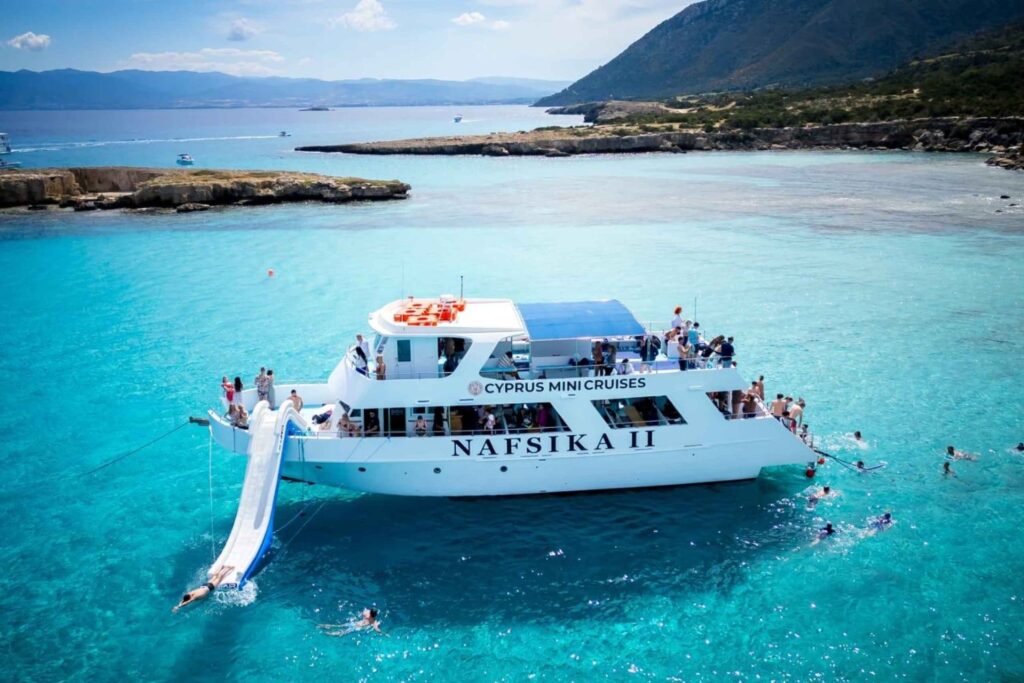
In cities like Helsinki and Savonlinna, veneajelu also refers to organized cruises. Tourists can enjoy the sights of the city skyline, fortresses, and lighthouses while sipping coffee on deck. These rides blend urban charm with maritime tranquility.
4. The Emotional and Cultural Meaning of Veneajelu
The beauty of veneajelu lies not just in the journey, but in its emotional resonance. To understand it is to understand a piece of Finnish soul.
A Symbol of Freedom
On a boat, there are no borders—only the horizon. Many Finns describe the sensation of boating as pure liberation. The open water offers a kind of boundless space rare in everyday life, where schedules and structures dominate. Veneajelu provides that much-needed breath of freedom.
Connection with Nature
Finland’s natural environment is pristine and deeply cherished. Veneajelu allows people to immerse themselves in this beauty directly. The gentle rocking of the boat, the scent of pine, the shimmer of water—all evoke a feeling of belonging and harmony with nature.
Family and Togetherness
Many Finns recall childhood memories of veneajelu with their parents or grandparents—learning how to row, cast a fishing line, or tie knots. These shared moments create lasting emotional bonds, passed down through generations.
Mindfulness and Solitude
In a society that values silence and introspection, veneajelu offers space for mindfulness. Alone on a lake, one can reflect, breathe, and think. It’s no surprise that many Finnish poets, writers, and artists have drawn inspiration from time spent on the water.
5. Popular Destinations for Veneajelu in Finland
Finland’s geography makes it a paradise for boat lovers. Here are some iconic locations where veneajelu is at its finest:
1. Saimaa Lake District
The largest lake system in Finland, Saimaa, is a maze of islands, canals, and bays. A veneajelu here might last hours or days, passing through picturesque villages and natural parks. The region is also home to the rare Saimaa ringed seal.
2. Helsinki Archipelago
Just minutes from the capital, you can embark on a veneajelu through more than 300 islands. From Suomenlinna Fortress to small rocky islets perfect for picnics, this area blends urban accessibility with wild beauty.
3. Åland Islands
Located between Finland and Sweden, the Åland Islands offer some of the most scenic sailing routes in the Baltic. The archipelago’s charming ports and maritime culture make it a dream for sailors and boaters alike.
4. Päijänne National Park
In southern Finland, Lake Päijänne offers crystal-clear waters surrounded by pine-covered ridges. This protected area is ideal for eco-conscious veneajelu, where visitors are encouraged to respect nature and minimize their impact.
5. Oulujärvi and the North
For those seeking solitude, the northern lakes near Oulu and Kajaani provide quiet, untouched waters—perfect for a peaceful veneajelu under the midnight sun.
6. Safety and Sustainability in Modern Veneajelu
As veneajelu becomes more popular, safety and sustainability have become central themes in Finland’s boating culture.
Safety First
Finns take boating safety seriously. Life jackets are mandatory, and even small rowboats are equipped with oars, lights, and emergency gear. Weather awareness is crucial, as conditions can change rapidly on open waters.
Eco-Friendly Boating
Finland leads by example in sustainable boating. Electric engines, biodegradable fuels, and solar-powered boats are increasingly common. Boaters are taught to avoid littering, respect wildlife habitats, and use designated mooring areas.
Preserving the Lakes
Clean water is a national treasure. Many boating associations actively participate in lake conservation, ensuring that veneajelu remains possible for future generations.
7. Veneajelu Beyond Finland: A Universal Connection
Though veneajelu is deeply rooted in Finnish life, the essence of boating transcends borders. From Italy’s gondolas to Canada’s canoe trips, humans everywhere share a love for moving across water. The feeling of floating, detached from land yet connected to the world, is universal.
In today’s fast-paced, digital world, boating offers something timeless—a reminder that nature still moves at its own pace. Whether in Scandinavia or elsewhere, a simple boat ride continues to symbolize peace, adventure, and discovery.
8. The Future of Veneajelu
Technology and tradition are merging to shape the future of veneajelu. Electric and autonomous boats are on the rise, offering quieter and cleaner rides. At the same time, interest in “slow boating” and traditional craftsmanship is growing—showing that modern Finns still value their cultural roots.
Eco-tourism, smart navigation systems, and sustainable marina designs all contribute to a future where veneajelu remains both accessible and environmentally responsible.
Yet despite all these innovations, the spirit of veneajelu remains unchanged. It’s still about the same things it’s always been: wind, water, and wonder.
9. Why Everyone Should Try Veneajelu
Whether you live in Finland or are just visiting, taking a veneajelu is one of the most authentic ways to experience the country. It allows you to see landscapes inaccessible by road, to feel the calmness of nature, and to understand why Finns are often described as quiet yet deeply connected to their environment.
You don’t need a luxury yacht or advanced skills. Even renting a small boat for an afternoon can create memories that linger forever—the sunlight glittering on water, the soft sound of oars, and the comforting sense of being far from the noise of the world.
Conclusion: The Soul of Veneajelu
In the end, veneajelu isn’t just about boats or lakes—it’s about harmony. It reflects the Finnish way of finding balance between human life and the natural world. It’s an invitation to slow down, to breathe deeply, and to appreciate simplicity.