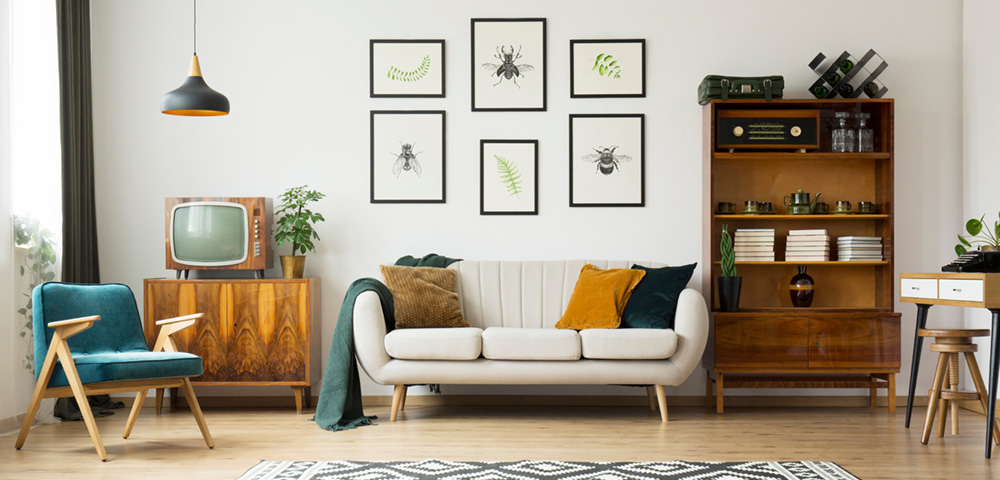

Vintage Home Accessories aren’t just “old things.” They’re character-packed pieces that carry history, emotion, and craftsmanship you rarely find in modern mass-production. From brass candlesticks to retro glassware and antique mirrors, vintage decor brings warmth, personality, and soul into modern living spaces.
This article fills every one of those gaps with a fresh, expert-level perspective, written in a friendly, practical way you can actually use.
Let’s dive in.
Introduction to the World of Vintage Decor
Why Vintage Accessories Are More Popular Than Ever
In a world where everything is fast, digital, and mass-produced, vintage offers something rare:
Authenticity.
Craftsmanship.
A story.
People love vintage because it makes their home feel curated—not copied from a catalog.
The Emotional & Storytelling Power of Old Pieces
Vintage items carry memories. They’ve lived lives. A wooden bowl might have been used for decades in someone’s farmhouse kitchen. An antique mirror may have hung in a Victorian foyer.
When you decorate with vintage, you’re decorating with emotion.
The Sustainability Advantage of Vintage Accessories
How Vintage Reduces Waste & Carbon Footprint
Buying vintage is one of the greenest decorating choices you can make.
Why?
Because every second-hand item you buy:
- Prevents landfill waste
- Reduces manufacturing demand
- Saves energy and raw materials
- Supports circular design
It’s the ultimate stylish eco-friendly habit.
Choosing Eco-Friendly Vintage Items
Focus on items that are:
- Made of natural materials (wood, metal, cotton, linen)
- Built to last (solid construction)
- Easy to restore
Avoid heavily broken pieces that require toxic chemicals or replacements.
Upcycling, Repurposing & Restoring for a Greener Home
Examples:
- Turn a vintage suitcase into a coffee table
- Repurpose old windows as wall decor
- Restore tarnished brass instead of buying new décor
Vintage decorating = sustainability with soul.
Understanding the History Behind Vintage Items
Why Provenance Matters
Provenance tells you:
- Where a piece came from
- Who made it
- When it was made
- Whether it’s rare or valuable
A brass clock from 1950 ≠ a reproduction from 2015.
Researching the Era or Origin
Look for:
- Maker’s marks or stamps
- Joinery styles
- Fabric patterns
- Craft techniques
- Material aging
Even Google Lens can help identify origins—magic!
Authenticity vs Reproduction
Signs your “antique” might be fake:
- Uniform aging
- Modern screws
- Too-light wood
- Cheap mass-production patterns
Always inspect carefully before buying.
Budgeting: Smart Vintage Buying Without Overpaying
Splurging vs Saving – What’s Worth the Investment
Worth splurging:
- Solid-wood pieces
- Brass or copper decor
- Ceramic/porcelain pieces
- Handwoven textiles
- Designer mid-century items
Save money on:
- Frames
- Small trinkets
- Glassware
- Books
How to Inspect Quality Before Buying
Check for:
- Tight joints
- Smooth drawer movement
- Natural aging vs damage
- No musty odors
- No mold or rot
- No major cracks in ceramics
Red Flags to Avoid
- Prices that seem “too vintage to be true”
- Sellers unwilling to show close-up photos
- Over-polished items that hide flaws
- Fake “distressed” finishes
Vintage is a treasure hunt—shop wisely.
Regional & Cultural Vintage Styles
European Vintage Aesthetic
Think:
- Ornate frames
- Brass serving trays
- Ceramic pitchers
- Baroque mirrors
- Rustic Mediterranean pottery
Warm, soulful, timeless.
American Mid-Century & Rustic Farmhouse
Mid-century: clean lines, walnut wood, geometric forms.
Farmhouse: enamelware, old signage, woven textiles, wire baskets.
Asian Vintage Styles
Japanese minimalism, Indian carved wood, Persian rugs, Chinese porcelain.
Each brings a unique story and heritage.
Mixing Cultures Without Clashing
Use color and material to unify the space.
Example: A Japanese vase + French brass mirror = stunning when they share gold or earth tones.
Safety, Restoration & Long-Term Care
Safety First
Check for:
- Lead paint on old furniture
- Woodworm holes
- Unstable frames
- Sharp edges
- Mold in fabrics
Never skip this step.
Cleaning & Restoring Vintage Materials
Metal: polish with vinegar, lemon, or brass cleaner.
Wood: use gentle cleaner, avoid over-sanding, apply natural oils.
Textiles: wash gently or dry-clean only.
Glass/Ceramic: hand-wash with mild soap.
When to DIY vs Hire a Pro
DIY for:
- Polishing
- Cleaning
- Minor repairs
Hire a restorer for:
- Valuable antiques
- Deep cracks
- Structural repairs
- Rewiring vintage lamps
Types of Vintage Home Accessories to Transform Your Space
Decorative & Functional Metals
Brass candlesticks, copper kettles, iron hooks, pewter trays.
Vintage Wall Art
Maps, botanical prints, oil paintings, retro posters.
Textiles
Handwoven rugs, embroidered tablecloths, grain-sack pillows, quilts.
Ceramics & Glassware
Pottery bowls, Depression glass, colored bottles, porcelain teacups.
Mirrors & Lighting
Ornate frames, art deco lamps, retro pendants, carved wood mirrors.
Books, Sculptures & Curiosities
Antique books, mini bust sculptures, vintage magnifying glasses.
Styling Vintage Accessories in Modern Homes
Balancing Modern & Vintage
Rule of thumb:
80% modern base + 20% vintage accents = perfect harmony
Creating Vignettes
Group in odd numbers:
- A vintage vase
- A brass candle holder
- A stack of old books
Instant charm.
Using Color & Texture
Mix smooth + rough, shiny + matte, dark + bright for depth.
Mixing Eras Gracefully
Anchor with one theme: color, tone, or material.
Sourcing Vintage Accessories Like a Pro
Best Places to Shop
- Flea markets
- Antique stores
- Estate sales
- Thrift shops
- Facebook Marketplace
- Etsy vintage shops
Negotiation Tips
- Ask politely: “Is this your best price?”
- Bundle multiple items for better deals
- Pay in cash when possible
Avoiding Scams
- Check seller reviews
- Request extra photos
- Ask about condition and history
Creating a Vintage-Inspired Home With Intentional Decor
Designing Room Themes
- Vintage kitchenware for kitchens
- Antique mirrors for hallways
- Retro lamps for bedrooms
Let Your Home Tell a Story
Mix pieces that represent travel, family history, or personal taste.
Choosing One-of-a-Kind Centerpieces
Every room deserves a hero—an antique tray, a mid-century vase, or a vintage globe.
Conclusion
Vintage home accessories bring depth, meaning, and timeless charm to your living space. They’re more than decor—they’re stories, memories, and sustainable design pieces that reflect who you are.
By understanding provenance, budgeting smartly, exploring cultural styles, restoring safely, and styling intentionally, you can create a home that feels beautifully collected, not cluttered.